Which Best Describe the Structure of a Nucleotide
Thymine and adenine C. Nucleotides are organic molecules that serve as the basic structural monomer units for DNA and RNA which as we know are the building blocks responsible for all life on Earth.
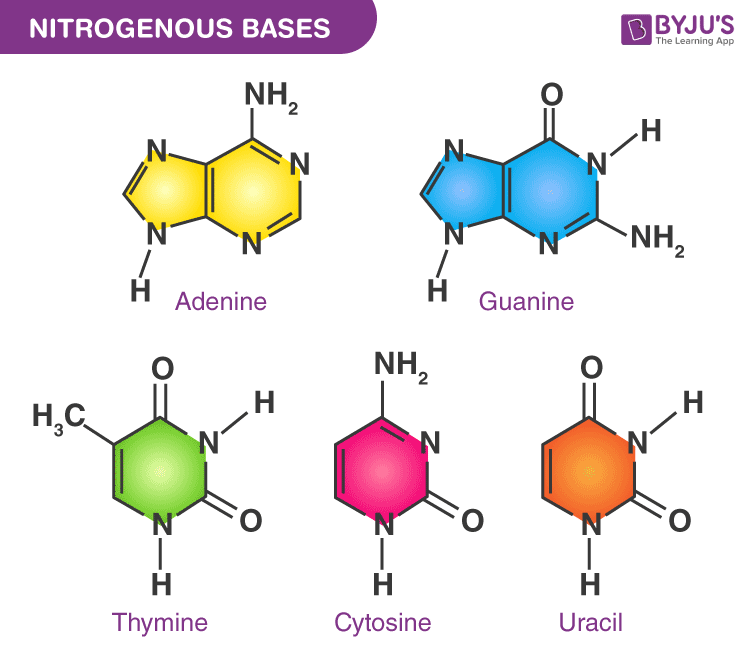
Nucleotide Structure Examples And Function
A base and a protein D.
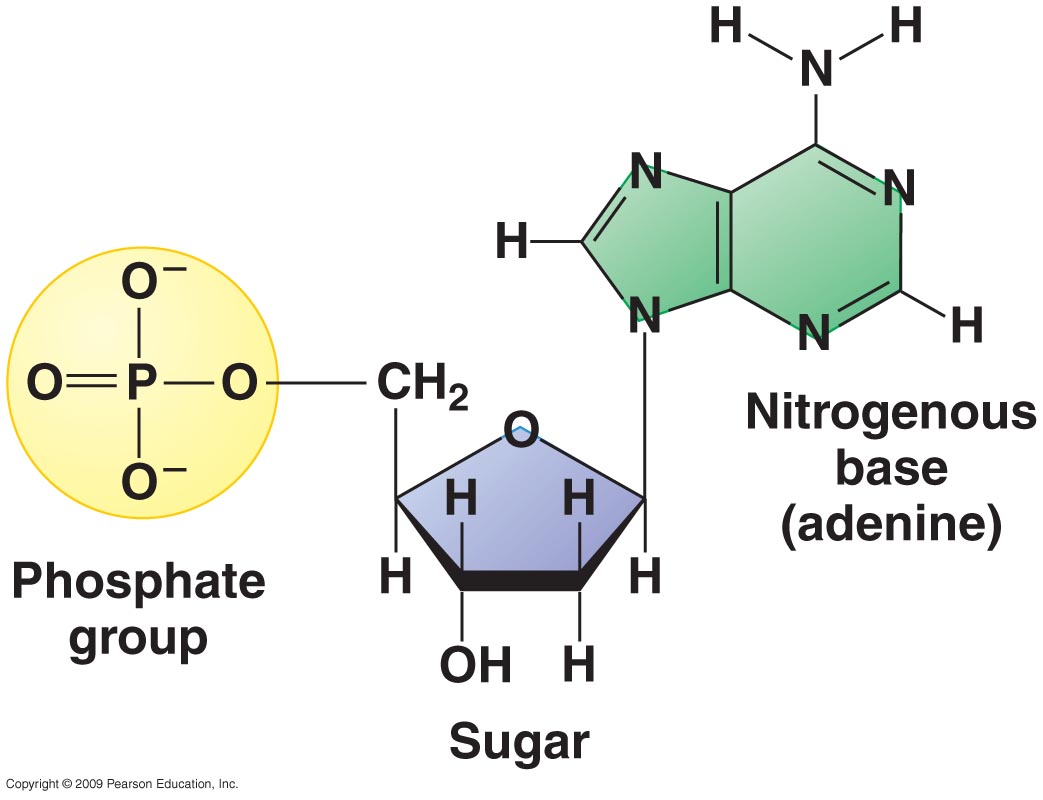
. They are divided into two broad categories based on their structure. During DNA synthesis a hydrogen bond joins A adenine to T thymine and C cytosine to G guanine figure 5. Which of the following best describes the chemical composition of a nucleotide.
Nucleotide Structure Nitrogenous base. One larger ring is hexagonal while the other smaller ring is pentagonal in structure. The sequence or order of the nucleotides defines the primary structure of DNA and RNA.
Nucleotide bonding in the DNA molecule with hydrogen and phosphate bonds. A five-carbon sugar molecule a nucleobasethe two of which together are called a nucleosideand one phosphate groupWith all three joined a nucleotide is also termed a nucleoside monophosphate nucleoside diphosphate or nucleoside triphosphate depending on how many phosphates make up the phosphate group. These are the compounds constituted by purine or pyrimidine bases ribose or deoxyribose sugars and phosphoric acid.
Phosphate Group and Nitrogen Base. Made up of a nitrogenous base pentose ring and phosphate group. Two important purines present in nucleotides include.
Which best describes the outcome of DNA replication. Phosphate groups are important because they link the sugar on one nucleotide onto the phosphate of the next nucleotide to make a polynucleotide. The nucleotide in DNA consists of a sugar deoxyribose one of four bases cytosine C thymine T adenine A guanine G and a phosphate.
Add your answer and earn points. A nitrogen-containing base a phosphate and a pentose sugar What type of mutation changes the base of a single DNA nucleotide which then causes a change in a specific codon. Primary Structure of Nucleic Acids.
Want this question answered. Adenine and guanine are purines. Purines have two rings in their structure that are made up of carbon and nitrogen atoms.
Nucleotide Definition Structure 3 Parts Examples Function DNA RNA Protein Synthesis Practice Test DRAFT. In a nucleotide if the. The chemical structure of nucleotides is almost the same regardless of whether or not the nucleotide is an RNA or DNA nucleotide.
The structure of RNA is a single-stranded molecule made up of basic units called nuc. The last part of. Preview this quiz on Quizizz.
Nucleotides are made out of elements like nitrogen and carbon with a nitrogenous base a five-carbon sugar component. Each nucleotide contains a nitrogenous base a five. A nucleotide consists of a sugar molecule either ribose in RNA or deoxyribose in DNA attached to a phosphate group and a nitrogen-containing base.
Purines and pyrimidines are the two categories of nitrogenous bases. 29 Questions Show answers. A nitrogenous baseadenine cytosine guanine and thymine or.
The nucleotides are important intracellular molecules of low molecular weight. The nucleotides of the polymer are linked by phosphodiester bonds connecting through the oxygen on the 5 carbon of one to the oxygen on the 3 carbon of another. Cytosine and guanine 1 See answer Advertisement Advertisement coolgirlkx is waiting for your help.
A nucleotide is composed of three distinctive chemical sub-units. Biological Importance of Nucleotides. What two parts of a nucleotide do not change throughout the structure of DNA.
Base sugar ring and phosphate B. Made up of a nitrogenous base and pentose ring. Regardless of the nucleotide the sugar is always the same.
Both deoxyribonucleic acid DNA and ribonucleic acid RNA are made up of nucleotides which consist of three parts. Five-Carbon Sugar and Nitrogen Base. Cytosine thymine and uracil are pyrimidines.
The chemical structure of the phosphate pentose sugar and nitrogenous bases of adenine thymine cytosine and guanine are shown above figure 5. Nucleotides are the monomers or the building blocks of nucleic acids and are made up of a 5-carbon sugar a phosphate group and a nitrogenous base. A nucleotide is made up of three components.
The bases used in DNA are adenine A cytosine C guanine G and thymine T. A nucleotide consists of three components. The DNA damage theory of aging proposes that aging is a consequence of unrepaired accumulation of.
Terms in this set 15 Nucleotide. A 5-carbon sugardeoxyribose for DNA or ribose for RNA 2. DNA and RNA molecules are polymers made up of long chains of nucleotides.
A nitrogenous base a pentose sugar and one or more phosphate groups. The new DNA molecule consists of one strand of DNA. The second portion of the nucleotide is the sugar.
Which best describes the structure of a nucleotide. In RNA the base uracil U takes the place of thymine. What best describes a nucleotide structure.
The nitrogenous base is the central information carrying part of the nucleotide structure. The basic building block of DNA is the nucleotide. Carbon residues in the pentose are numbered 1 through 5 the prime distinguishes these residues from those in the base which are numbered without using a.
Nucleotides are chemical compounds that form the basic structure of nucleic acids like RNA and DNA. Be notified when an answer is posted. Its nucleotide bases contain adenine uracil cytosine and guanine.
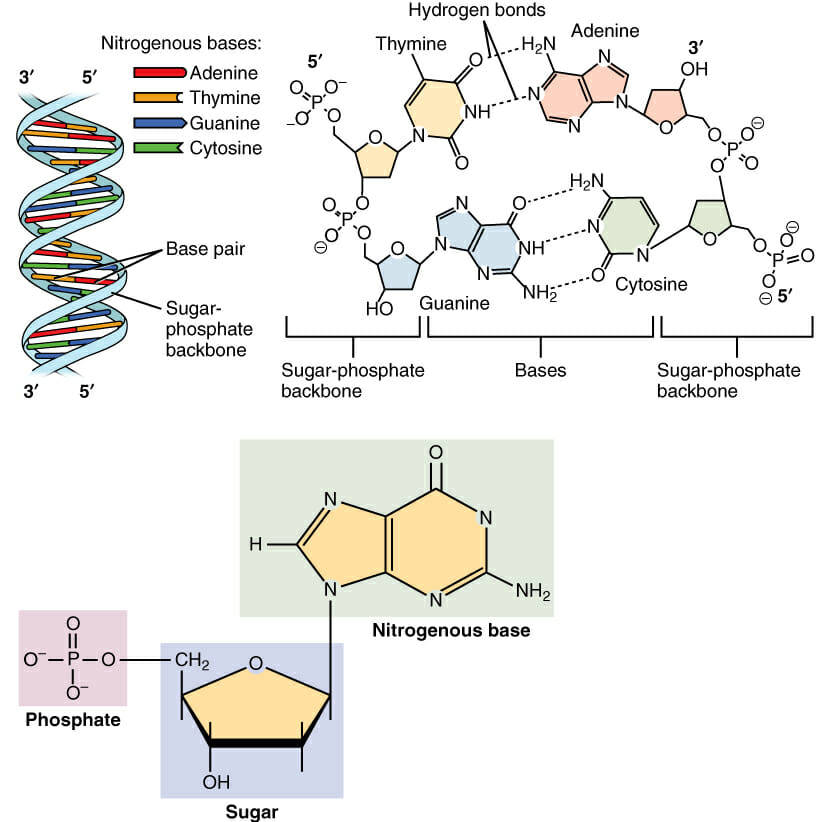
Nucleotide Definition Structure 3 Parts Examples Function
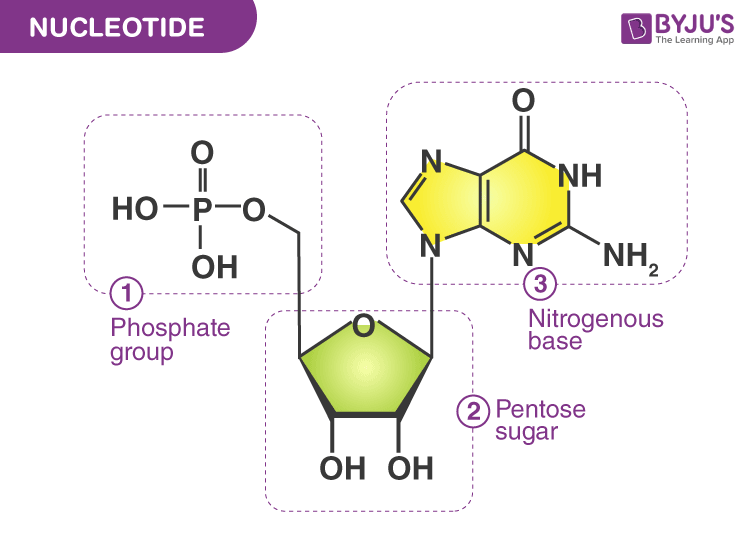
Nucleotide Structure Examples And Function
What Are The Three Parts Of A Nucleotide Socratic
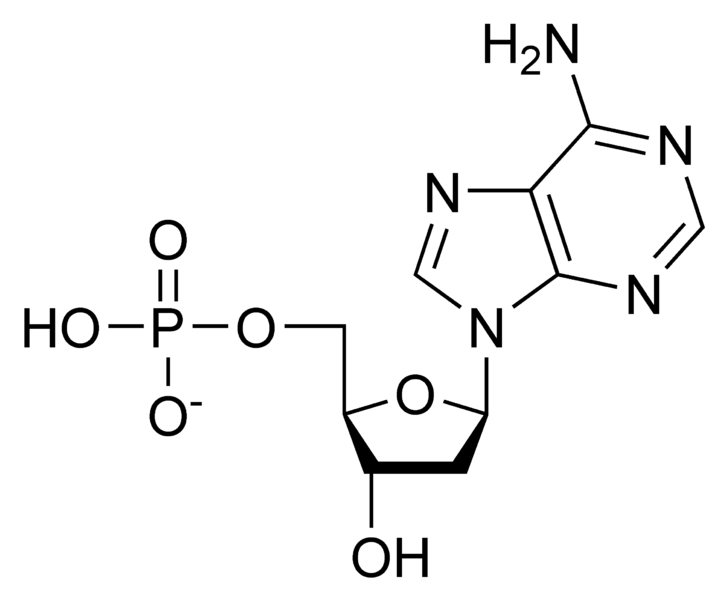
What Are The Three Parts Of A Nucleotide Albert Io


Comments
Post a Comment